On the CatalystOne blog we cover subjects regarding HR technology, HR systems, HR processes, Performance & Talent Management and more. (4)
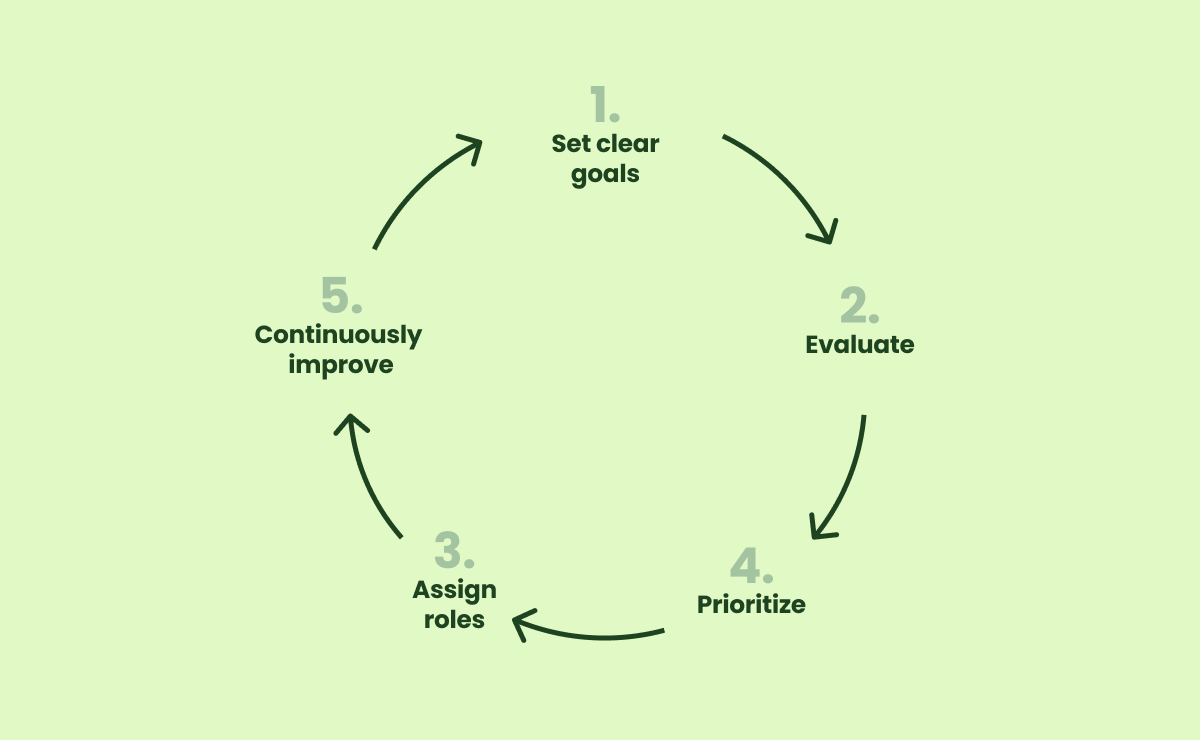
Navigating organizational change can be challenging due to the many factors involved. While there’s no one-size-fits-all solution, proven frameworks can guide you towards successful transformation. We’ve put together a five-step model designed to help you manage change effectively, offering flexibility to tailor it to your organization’s unique needs.
Are you noticing poor results in your employee engagement survey? Creating and maintaining high employee engagement is crucial for both employee satisfaction and business success. Engaged employees not only contribute to increased productivity and innovation, but they also positively impact a company’s profitability. But how can you effectively measure and improve employee engagement? We’ve put together five practical tips to guide you.
Congratulations on your new position! Stepping into the role of HR Manager at a new company can be both challenging and exciting. Whether you're experienced or new to the role, it's crucial to take the time to familiarise yourself with the organisation and its people. This will give you a solid understanding of the company's needs and help you prioritise your efforts.
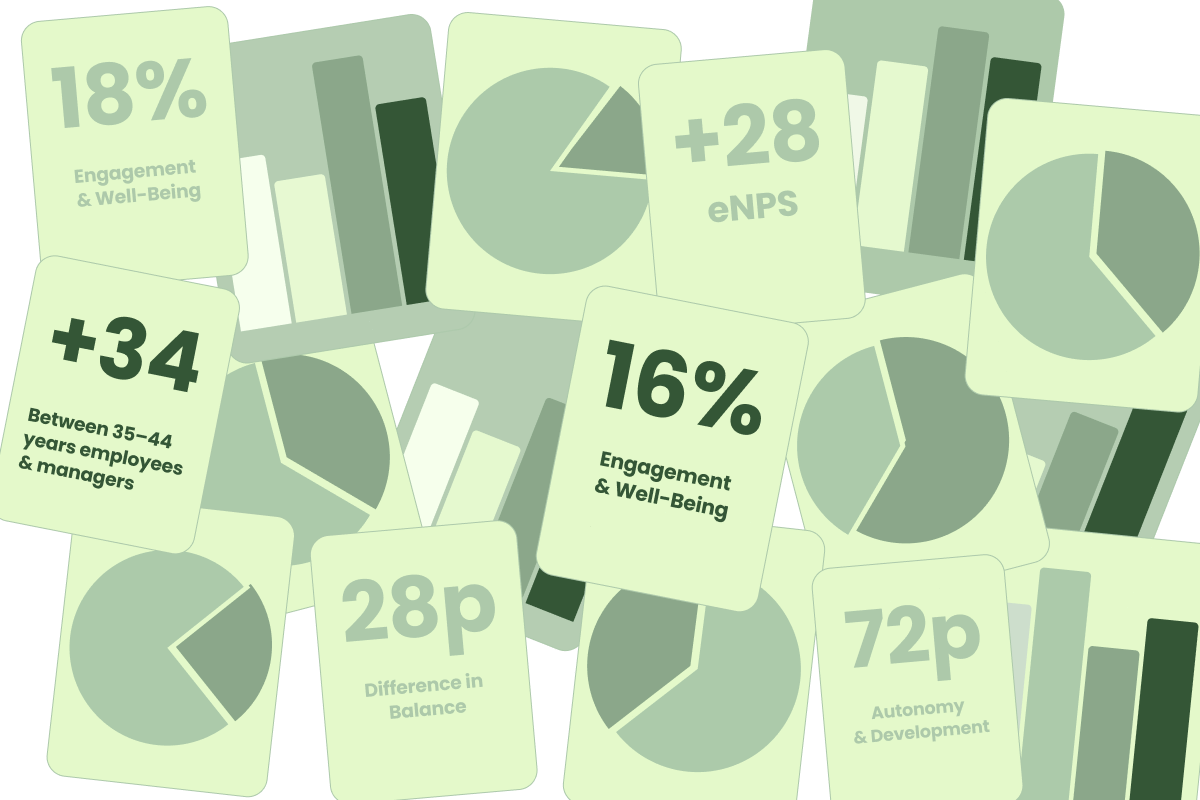
While organizations are well aware of the importance of employee engagement and well-being, we rarely talk about the managers. In the study State of the Manager, we explore and analyze leaders’ experiences based on five millions of responses from employee surveys conducted through CatalystOne Engage.
As HR professionals who have been in the field for a while, you know how much your role has changed in recent years. It’s moved far beyond handling payroll, benefits, and company policies. Now, HR is expected to be at the heart of business strategy and a necessary stakeholder to drive innovation and competitive advantage.
Did you know that continuous skill development is more rewarding than annual one-time efforts? In today’s fast-paced, technology-driven environment, creating a culture of continuous learning is essential for any organization. This article explores three practical steps that create engaged employees and also enhance individual growth and organizational success.
As an HR professional, you know your role has changed a lot. You're no longer just handling routine tasks - you're now a key player in making strategic business decisions. To show the value HR brings, it's important to know what your CFO wants to see. Here are five key results your CFO likely expects and how you can deliver them, with some helpful theories to guide your strategies.
Incorporating sensitive comment analysis into your pulse surveys is a crucial step towards a more inclusive and respectful workplace. Here, we explain the importance of sensitive comment analysis and how our module can help you to maintain a respectful and inclusive feedback environment.
Anonymity in employee surveys is required for it to serve as a sustainable improvement process. While it is expected, not all employee survey software enforces anonymity.
PRESS RELEASE: OSLO, Norway, 18 June 2024--CatalystOne Solutions and ProMark announce strategic partnership to deliver streamlined HRM and Workforce Management processes