On the CatalystOne blog we cover subjects regarding HR technology, HR systems, HR processes, Performance & Talent Management and more.
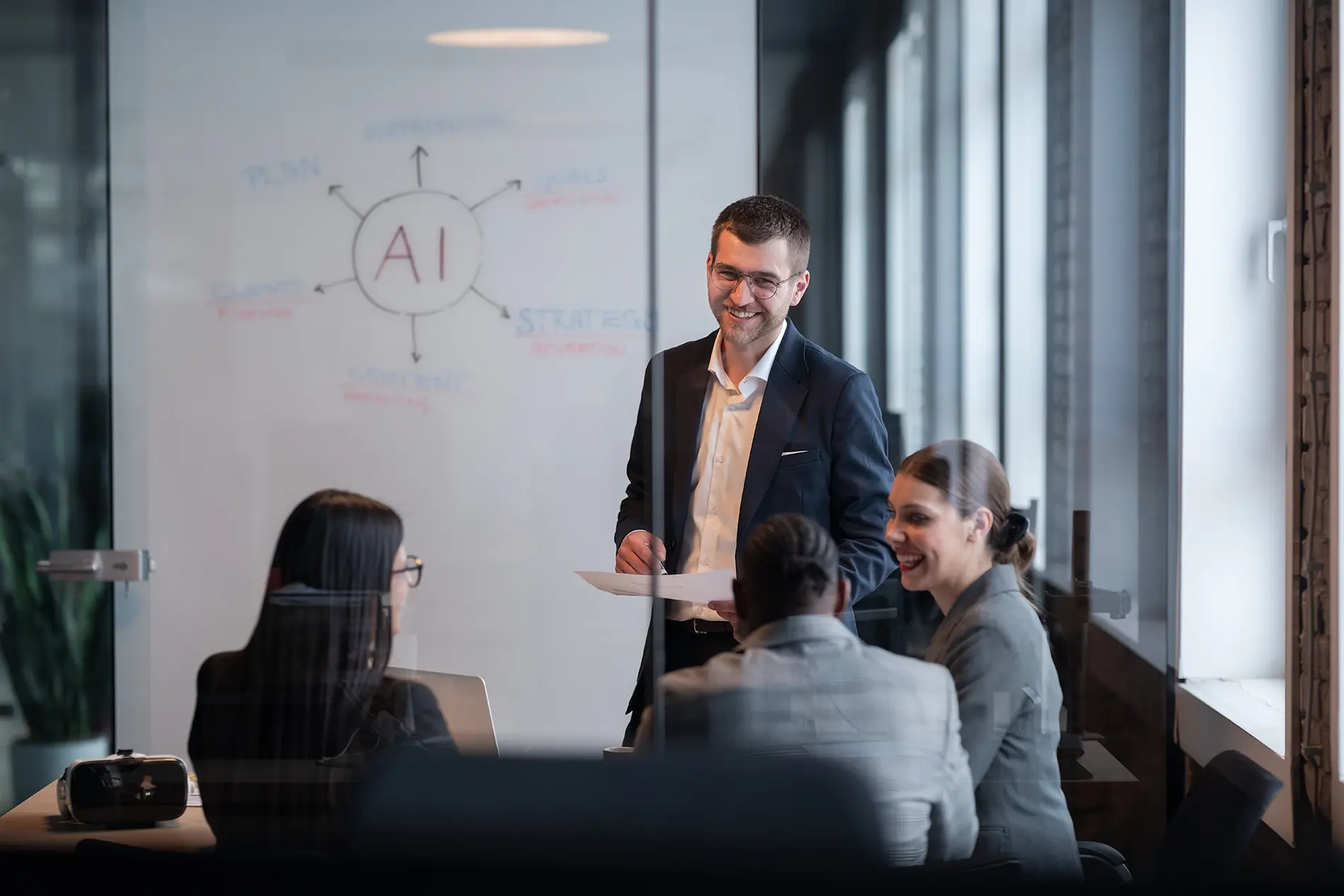
Giving people better tools is one thing. Creating the conditions to use them differently is another. We're giving employees increasingly powerful AI tools. Tools that can generate ideas, analyse information, write code, create images and help people solve problems faster. So, it would be easy to assume that better tools will naturally lead to more innovation. But will they?
If you wait until implementation, some of the most important decisions may already have been made. When organisations introduce AI at work, involving employees seems like an obvious part of doing it responsibly. Explain what the technology will do. Talk to employee representatives. Provide training. Listen to concerns. Help people adapt to new ways of working.
Having a human involved in an AI-supported decision doesn't guarantee meaningful human oversight. If AI makes the first recommendation, it can influence the person's judgement before they form their own view. The important question is therefore not simply whether a human is involved, but when they enter the process and whether they can make an independent judgement.
How pulse survey insights helped a Finance team strengthen conversations, address what mattered and improve engagement over time
This article is written for HR leaders, CHROs, and HR decision makers in Nordic organisations preparing for 2026. Nordic organisations are often recognised for a distinctive leadership model built on trust, transparency, low hierarchy, and employee involvement. These characteristics have supported resilience and collaboration for decades.
This article is written for HR leaders, CHROs, and HR decision-makers in Nordic organisations preparing for 2026. As 2026 approaches, the pressure on skills and leadership capability is increasing. Technology, particularly AI, is evolving faster than many organisations can adapt. At the same time, expectations around leadership quality and performance culture continue to rise.
This article is written for HR leaders, CHROs, andHR decision-makers in Nordic organisations preparing for 2026. As 2026 approaches, employee expectations across the Nordics are not just evolving. They are becoming clearer, firmer, and less negotiable.
This article is written for HR leaders, CHROs, and HR decision makers in Nordic organisations preparing for 2026. As 2026 approaches, AI in HR is moving from experimentation to operational reality. The question is no longer whether AI has potential. The real question is whether HR organisations are ready to use it responsibly and effectively in daily operations.
This outlook is written for HR leaders, CHROs, and HR decision makers in Nordic organisations preparing for 2026. As 2026 approaches, Nordic HR is entering a period where standing still is no longer a sustainable option. Trust, transparency, and people-centred leadership remain clear strengths across the region. At the same time, expectations are rising, change is accelerating, and pressure on HR is increasing.
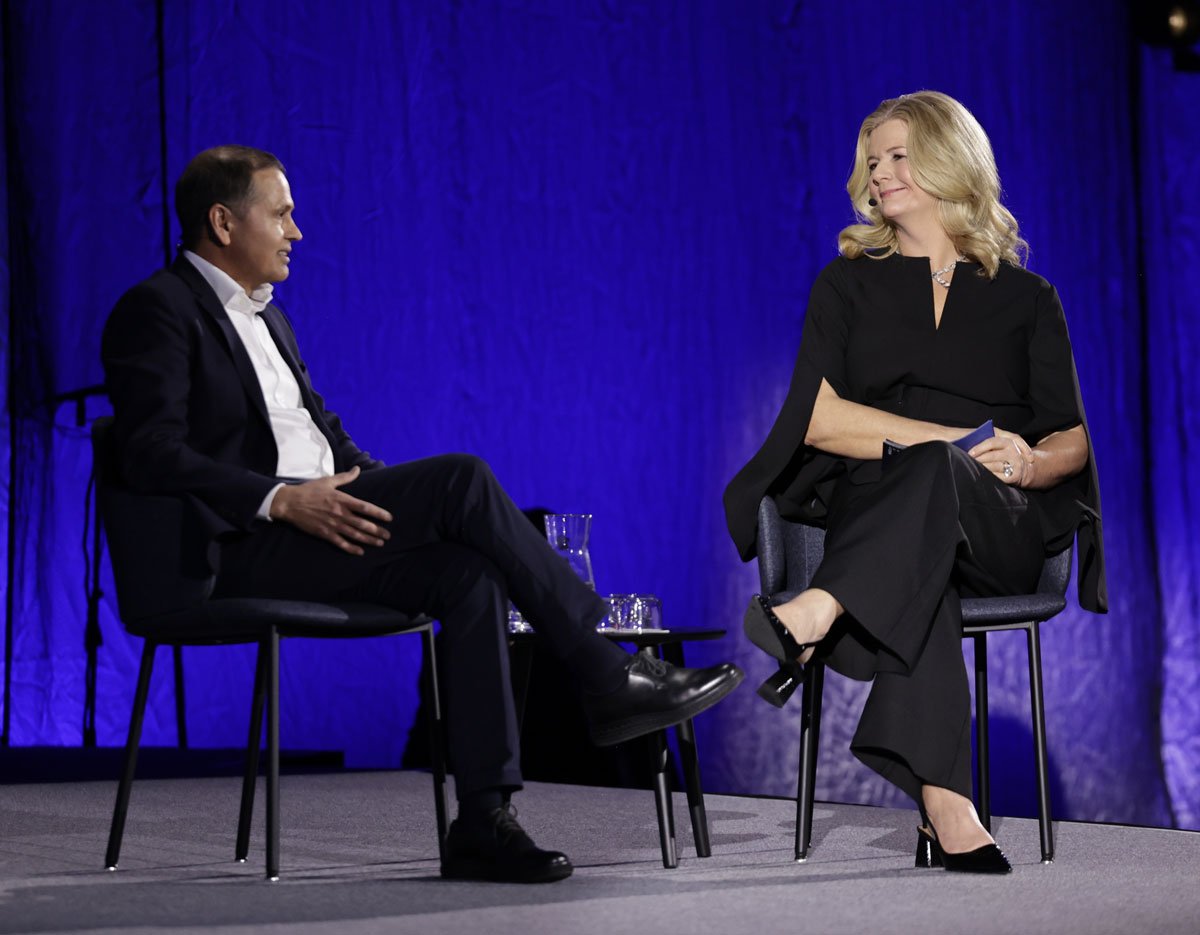
What the NHO conference reminded HR leaders about trust, preparedness, and HCM systems