On the CatalystOne blog we cover subjects regarding HR technology, HR systems, HR processes, Performance & Talent Management and more. (3)
How do you create a workplace where people want to stay, grow, and contribute? At Stadium, building a culture rooted in transparency, trust, and continuous dialogue is key. By using pulse surveys, they can consistently capture employee experiences and turn insights into meaningful improvements. Here, operational managers Åsa Steen and Markus Enebrink share how Stadium’s leadership and commitment to its employees have created a work environment that is not only enjoyable but also drives results.
HR is going through an exciting transformation. New regulations like the Corporate Sustainability Reporting Directive (CSRD) and the EU Pay Transparency Directive are pushing HR teams to think more strategically and use data in new ways. At the same time, AI is changing how we work, bringing both exciting opportunities and some challenges. In 2025, HR won’t just be about following rules or managing people—it will be about shaping the future of work with data, technology, and innovation.
Would a CFO make decisions based on last year’s numbers? Not likely. So why should your leaders rely on outdated data regarding employee engagement? Here, we break down why annual engagement surveys aren’t enough – and why pulse surveys are a must if you want to keep your organization ahead of the game.
HR’s shift from administrative tasks like payroll to a strategic role driving business growth isn’t new, but it’s more important than ever. For HR leaders, understanding this journey from being a reactive support function, to becoming a proactive business enabler, is key to making a bigger impact.
After an extended holiday, many employees take time to reflect on their work situation. In fact, more than half of full-time employees consider quitting their jobs after a long break, according to an American study. Employees who feel unmotivated, low-spirited, or eager for new adventures can be a challenge for employers – but it can also be seen as an opportunity! By acting strategically and attentively, HR can create a workplace environment that not only prevents turnover but also strengthens engagement and satisfaction.
Did you know that 66% believe their work has contributed to their sick leave, often due to stress or high workload? This is shown in a recent study conducted by Försäkringskassan. As a manager, it’s crucial to work proactively to prevent sick leave and create a sustainable work environment. Here are seven concrete tips for how you can enhance well-being and reduce the risk of sick leave in your workplace.
While many organizations focus on employee engagement and well-being, the well-being of managers often goes unnoticed. Mangers, especially middle managers, find themselves in a complex role, balancing demands from both senior leadership and employees. This position can lead to increased stress and challenges at the workplace.
Ambea, Scandinavia’s leading care provider, has in recent years intensified its focus on leadership, skill development, and employee well-being. This strategy has resulted in reduced staff turnover, increased employee engagement, and the company’s highest eNPS to date. But what’s behind this success story? Christian Horne, Ambea’s HR director, shares the strategies and key factors driving the company’s continued growth.
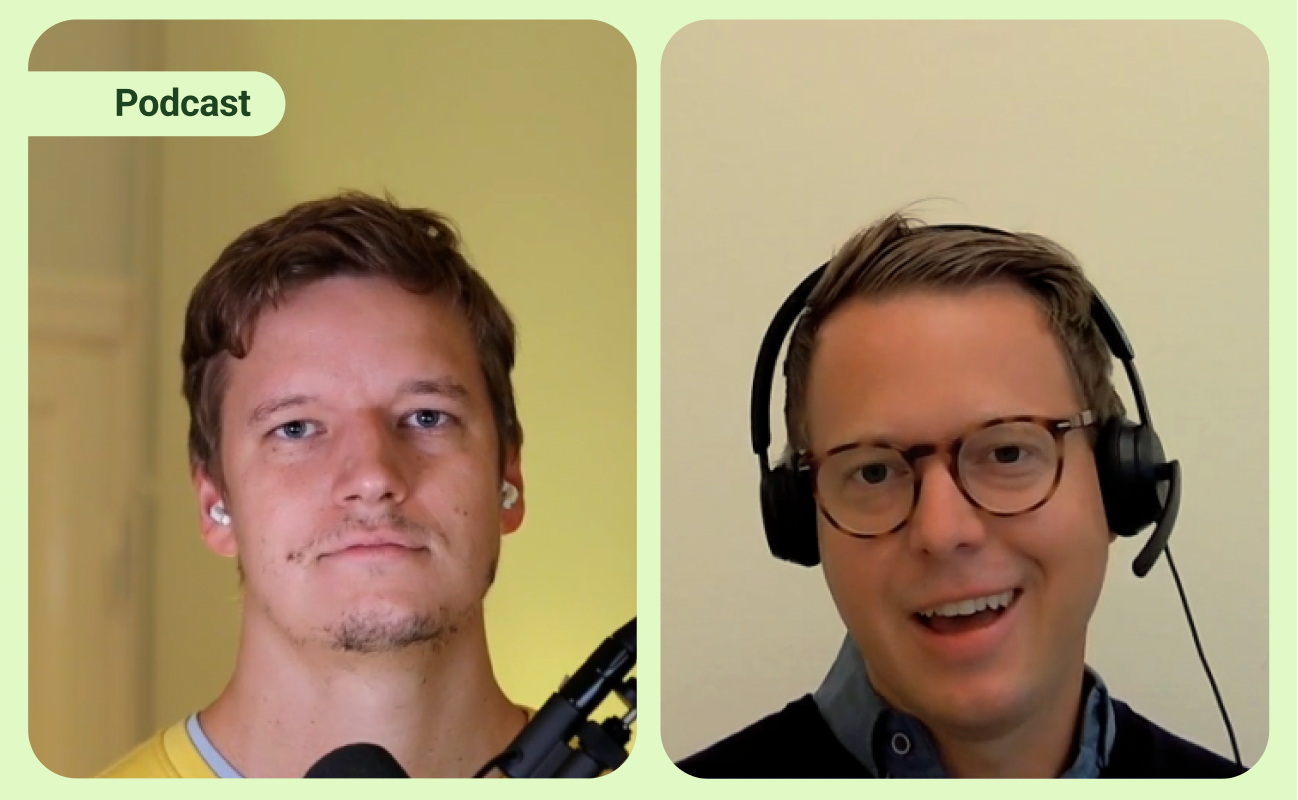
Low employee turnover and a high eNPS – what does an effective recipe for success look like? Johannes, founder of CatalystOne Engage, joins Samuli Salonen, CEO of TalentBee, on the podcast #TalentBuzz to share his thoughts and experiences on how to create engaged employees.